
A healthier lifestyle rarely begins with a dramatic change. It usually starts with small decisions made every day. Drinking water after waking up, taking a short walk, preparing a balanced meal, or setting aside a few quiet minutes can gradually improve how you feel and manage your responsibilities.
The idea behind lifestyles care daily habits is to create routines that support physical comfort, emotional balance, and a more intentional way of living. It is not about following a perfect schedule or copying someone else’s wellness routine. It is about understanding what your body and mind need, then making realistic choices that fit your everyday life.
Understand the Meaning of Lifestyle Care
Lifestyle care involves the everyday practices that help people look after their overall well-being. It includes sleep, nutrition, movement, personal hygiene, relationships, stress management, and the way people organize their time.
These areas are connected. Poor sleep can affect concentration and food choices. Long periods of inactivity can influence energy levels and physical comfort. Ongoing stress can make it harder to maintain healthy routines. This is why a balanced approach works better than focusing on one habit alone.
Effective lifestyles care daily habits should support your actual needs rather than create another source of pressure. A routine that works for someone with a flexible schedule may not suit a parent, student, or person working long shifts. The best approach is one you can maintain consistently.
Focus on Progress Instead of Perfection
Many people begin a lifestyle change with ambitious plans. They decide to exercise every morning, cook every meal, avoid all processed foods, and follow a strict bedtime. These goals may sound motivating, but trying to change everything at once can become exhausting.
A more practical method is to start with one or two manageable actions. For example, take a ten-minute walk after lunch or prepare breakfast at home three days a week. Once these actions become familiar, introduce another habit.
Consistency matters more than having an impressive routine for a few days. Missing one workout or eating an unplanned meal does not mean you have failed. Return to your usual habits without turning a temporary interruption into a reason to give up.
Build a Daily Routine That Supports Your Energy
A structured routine reduces the number of small decisions you need to make throughout the day. It can also create a sense of stability when work, family responsibilities, and personal commitments compete for attention.
However, a useful routine should allow flexibility. Fixed schedules are not always possible, especially for people with changing work hours. Instead of planning every minute, identify a few activities that help anchor your day.
Create a Calm Morning Routine
The first part of the morning can influence how you approach the rest of the day. You do not need to wake up extremely early or complete a long wellness ritual. A simple routine can be enough.
Start by giving yourself a few minutes before checking messages or opening social media. Drink water, wash your face, open the curtains, and consider having a balanced breakfast. Natural daylight in the morning can also help regulate your body’s sleep and wake cycle.
For example, someone who usually starts work in a rush might prepare clothes and breakfast the night before. This small adjustment reduces morning decisions and creates more time for a relaxed start.
These practical lifestyles care daily habits are useful because they remove friction from ordinary activities instead of adding complicated tasks.
Use Evening Habits to Prepare for Rest
An evening routine should help you move away from the demands of the day. Lowering bright lights, reducing stimulating screen activity, and preparing for the next morning can make bedtime feel less rushed.
Try to maintain a reasonably consistent sleep schedule, including weekends when possible. Adults generally need at least seven hours of sleep each night, although individual needs vary. The quality and regularity of sleep matter alongside the number of hours.
If you often stay awake thinking about unfinished tasks, write down the main things you need to handle tomorrow. This simple practice can help separate planning time from rest time.
Improve Well-Being Through Balanced Nutrition
Food provides the energy and nutrients needed for everyday activities. A balanced eating pattern supports normal body functions and can help maintain energy throughout the day.
There is no single meal plan that suits everyone. Age, activity, health needs, cultural preferences, food availability, and budget all influence suitable choices. A practical approach is to include a variety of vegetables, fruits, whole grains, protein sources, and healthy fats.
Make Everyday Meals More Balanced
A useful way to plan a meal is to include several food groups rather than relying on one main ingredient. Vegetables can add fiber and variety, while beans, eggs, fish, poultry, or other protein sources help make meals more satisfying. Whole grains such as oats and brown rice provide additional fiber.
For example, a simple lunch might include rice, lentils, cooked vegetables, and yogurt. It does not require expensive ingredients or complicated preparation. Small improvements to familiar meals are often easier to maintain than completely changing your diet.
When developing lifestyles care daily habits, avoid treating food as a test of discipline. Flexible eating can include favorite meals while still providing a balanced overall pattern.
Pay Attention to Hydration
Water supports temperature regulation, digestion, circulation, and other normal body processes. Fluid needs vary depending on activity, weather, diet, and individual circumstances.
Keep water accessible during the day, particularly if you work in a warm environment or spend time outdoors. Drinking regularly is generally more practical than waiting until you feel very thirsty.
Tea, milk, soups, and water-rich foods can also contribute to fluid intake. However, sugary drinks should not become the main source of daily hydration. People with medical conditions that affect fluid requirements should follow advice from their healthcare professionals.
Make Movement Part of Everyday Life
Physical activity supports cardiovascular health, muscle strength, mobility, and mental well-being. It does not have to happen entirely in a gym. Walking, cycling, dancing, gardening, and household activities can all contribute to an active lifestyle.
The World Health Organization recommends that adults aim for 150 to 300 minutes of moderate-intensity aerobic activity each week, or an equivalent amount of vigorous activity. Adults should also include muscle-strengthening activities on at least two days per week, where appropriate.
Choose Exercise You Can Enjoy
The most effective activity is often the one you are willing to repeat. If you dislike running, try brisk walking or cycling. If traditional workouts feel repetitive, consider swimming, dancing, or a recreational sport.
A beginner could start with a 15-minute walk five days a week. As fitness improves, the duration or intensity can increase gradually. People returning to exercise after a long break should avoid comparing their progress with experienced athletes.
For people with desk-based jobs, short movement breaks are also useful. Standing, stretching, or walking for a few minutes between tasks can reduce long periods of uninterrupted sitting.
Combine Strength, Flexibility, and Balance
Cardiovascular exercise is only one part of physical fitness. Strength training helps maintain muscle function, while flexibility and balance activities support comfortable movement.
Simple bodyweight exercises such as squats, wall push-ups, and supported lunges can be adapted to different fitness levels. Gentle stretching or yoga may also help people maintain mobility.
These lifestyles care daily habits become more sustainable when movement is treated as a normal part of life rather than punishment for eating or a task that must always be completed perfectly.
Develop Self-Care and Mindfulness Practices
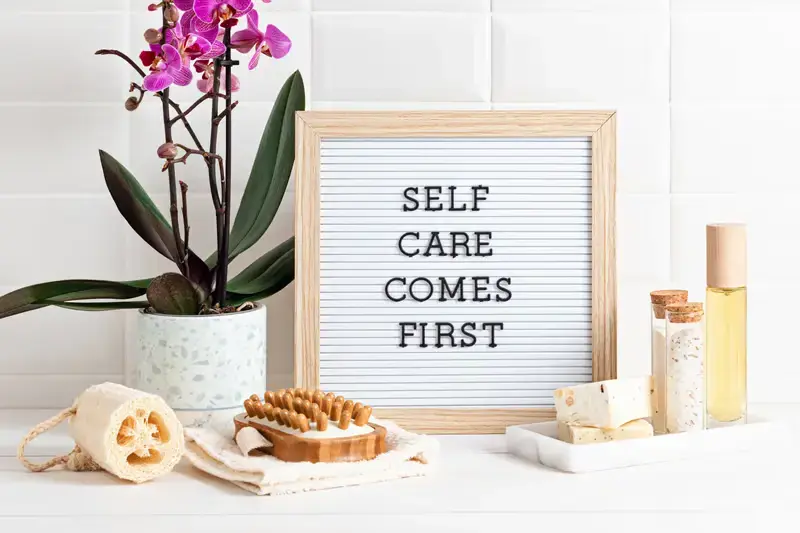
Self-care means paying attention to your physical, emotional, and social needs. It is not limited to spa treatments, expensive products, or occasional days off. Often, it involves ordinary actions such as setting boundaries, taking breaks, and asking for help.
Mindfulness adds another useful element. It encourages people to pay attention to the present moment instead of automatically reacting to every thought or distraction.
Make Space for Mental Rest
Busy schedules can leave little room for quiet thinking. Constant notifications and competing responsibilities may make it difficult to concentrate or relax.
Try setting aside a few minutes each day without a screen. You could sit quietly, breathe slowly, listen to music, or spend time outdoors. Some people prefer journaling because writing down thoughts helps them identify concerns and organize priorities.
For example, a person who feels overwhelmed after work might spend ten minutes writing down what went well, what caused stress, and what needs attention tomorrow. This does not solve every problem, but it can create a clearer starting point.
Set Boundaries Around Your Time
Personal boundaries help protect time and energy. This may mean declining an unnecessary commitment, keeping work messages outside agreed working hours, or limiting conversations that repeatedly cause stress.
Boundaries do not require being unkind or avoiding responsibilities. They involve communicating what is manageable and making room for important personal needs.
Healthy lifestyles care daily habits include recognizing when you need rest rather than treating constant availability as a sign of productivity.
Create a Healthy and Supportive Environment
Your surroundings influence many everyday choices. A cluttered kitchen may make meal preparation harder, while an uncomfortable workspace can encourage poor posture. A bedroom filled with distractions may make it difficult to relax.
You do not need a complete home makeover to create a more supportive environment. Start with small changes that make healthy choices easier.
Keep frequently used items accessible. Place walking shoes near the door, prepare a water bottle before starting work, and keep basic ingredients available for simple meals. If you want to reduce late-night phone use, charge your device away from your bed.
Social surroundings matter too. Spending time with supportive friends and family can encourage positive routines. Shared walks, home-cooked meals, or regular conversations can make lifestyle changes feel less isolated.
Maintain Your Habits When Life Becomes Busy
A routine that only works during quiet weeks is unlikely to last. Work deadlines, travel, family needs, and unexpected events can interrupt even well-planned schedules.
The answer is to create flexible alternatives. If you cannot complete a full workout, take a short walk. If you cannot prepare an elaborate meal, choose a simple balanced option. If your usual bedtime changes occasionally, return to your regular schedule when possible.
It can also help to review your routine once a week. Ask yourself which habits feel useful, which ones create unnecessary pressure, and where adjustments are needed.
The purpose of lifestyles care daily habits is not to control every part of your day. It is to build a reliable foundation that helps you respond to changing circumstances without abandoning your well-being.
Conclusion
A healthier lifestyle is built through ordinary decisions repeated over time. Balanced meals, regular movement, sufficient sleep, mindful breaks, and supportive relationships all contribute to everyday well-being.
Start with changes that fit your current routine instead of attempting a complete transformation. Make your environment supportive, adjust habits when responsibilities change, and give yourself room to improve gradually.
The most effective lifestyles care daily habits are practical, personal, and flexible. When your routines support both your needs and your responsibilities, healthy living becomes a natural part of everyday life.
Frequently Asked Questions
1. What are the most important daily habits for a healthy lifestyle?
The most useful habits include getting sufficient sleep, eating balanced meals, drinking enough water, moving regularly, and managing stress. Maintaining social connections and making time for personal rest also support overall well-being. Start with a few manageable habits rather than changing everything at once.
2. How can I create a simple daily self-care routine?
Begin with a consistent morning and evening routine. Include basic hygiene, balanced meals, some physical activity, and a short period of relaxation. Choose activities that fit your schedule and needs. A simple routine followed regularly is more useful than an ambitious plan that becomes difficult to maintain.
3. Why are small lifestyle changes better than sudden changes?
Small changes are generally easier to repeat and adapt to everyday responsibilities. Replacing one sugary drink, adding a short walk, or improving bedtime consistency can gradually build healthier patterns. Sudden restrictions and demanding schedules may create unnecessary pressure and become difficult to sustain.
4. How much physical activity should adults get each week?
The World Health Organization recommends 150 to 300 minutes of moderate aerobic activity each week for adults, or an equivalent amount of vigorous activity. Strengthening exercises should also be included on at least two days. Individual abilities and health conditions may require adjustments.
5. How can I maintain healthy habits with a busy schedule?
Use short, realistic activities and prepare for predictable challenges. Walk during breaks, keep simple meal ingredients available, and protect a regular sleep window when possible. Allow flexible alternatives for busy days instead of abandoning your routine whenever your schedule changes.